
There is a lot of information out there on grief and loss, but it really doesn’t matter how much you “know” about grief and loss, it still hits you like nothing you have ever met before. David Kessler said “the worst loss, is always your loss”. That’s the one you have right now.

Leaning how to take care of ourselves in grief can be the work of a lifetime but it starts with two key ingredients; compassion and connection. Perhaps these are already well established in your life and your grieving task is to ‘plug them in’ to what you are facing now. Or you might be discovering that compassion, especially self-compassion, is elusive and connections feel so disrupted you don’t know where to turn.
Francis Weller talks about the human “apprenticeship with sorrow“. Rather than something to be ‘avoided or blocked out’, or a’ problem to be solved’, “grief is a deep encounter with an essential experience of being human“. He suggests “grief becomes problematic when the conditions needed to help us work with grief are absent. For example, when we are forced to carry our sorrow in isolation, or when the time needed to fully metabolise the nutrients of a particular loss is denied, and we are pressured to return to “normal” too soon“. So how do we, as individuals and as a community, set the scene for the apprenticed mastery, to unfold? Could we entertain the idea that grief could perhaps be trusted? Could we allow sorrow to work its magic into the fabric of our human beings?
Before you know kindness as the deepest thing inside,
you must know sorrow as the other deepest thing.
You must wake up with sorrow.
You must speak to it till your voice
catches the thread of all sorrows
and you see the size of the cloth.
excerpt from the poem Kindness by Naomi Shihab Nye
Cultivating compassion… we are beginning to understand the importance of self-compassion, compassion for others and connection to a sense of common humanity. Have you met Dr Kristin Neff? Kristin has been doing empirical research on this subject for many years now. She also weaves these practices into her life in a very down to earth kind of way. Try them out for yourself at http://www.self-compassion.org

Radical Compassion – Sometimes we need to put more “umph” into the kindness. It’s one thing to be kind to yourself when you are feeling like an ‘okay person’. It’s another thing completely to offer yourself kindness and acceptance when things are going awry or you have just acted in a way that you regret. That kind of compassion can seem radical. Have you met Tara Brach? She brings ancient principles from meditation into practical application for modern life. http://www.tarabrach.com

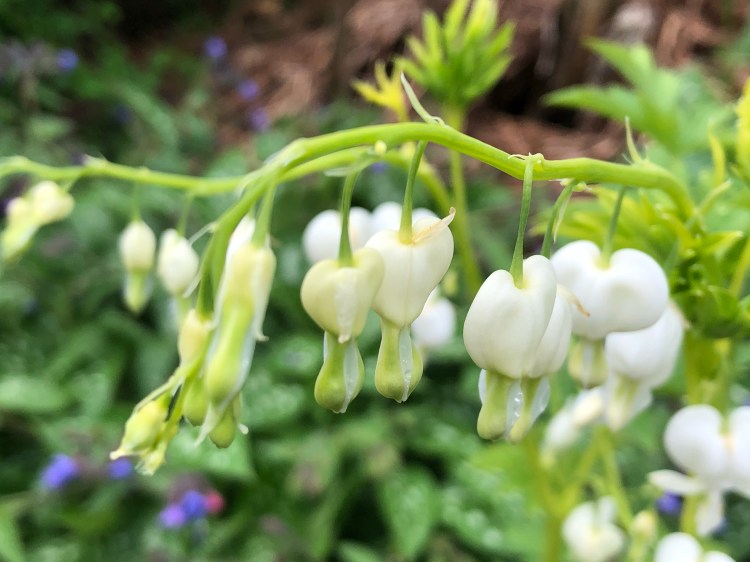
Fairy lights of loss… Our first encounter with loss leaves its mark. Somewhere in the neural pathways an association link is made. Perhaps its the smell of rain or the soft touch of a woollen jumper that arrives unbidden and transports you in time to that moment of loss. Or perhaps it is more jarring, a sharp sound that creates a jolt of heart-ache that radiates down your arms as hot tears spring to your eyes. Other losses connect in over time through associations of sound, smell, the weather or season or the heaviness of our heart. We are often unaware of this until a new grief arrives and lights up all of the connections in the chain…. like fairy-lights…. they turn on all at the same time. An excruciatingly beautiful and exquisitely painful reminder of the way in which each light, each loss, represents your human capacity to love. For, you cannot feel grief for those things to which you are indifferent and the only way to banish the pain of loss is to erase the love from which it arises. It might seem counterintuitive to treasure the fairy lights of loss but what if they are the “collateral beauty” (have you seen the film of the same name?) of this painful dimension of being human?

Living losses… This idea allows us to acknowledge the more intangible losses we encounter in life. There are the losses of things we never actually had, such as never becoming a parent. There are the losses move along with us, such as the loss of one’s mother felt anew as our first child is born. There are the losses we feel even when no-one has died, but we have lost some aspect of them and their former role in our life. Feeling like a carer rather than a husband, like a patient rather than a wife, points to implicit loss that is hard to acknowledge. If we can begin to honour these intangible sources of grief we will be more free to adapt to whatever is asked of us next.
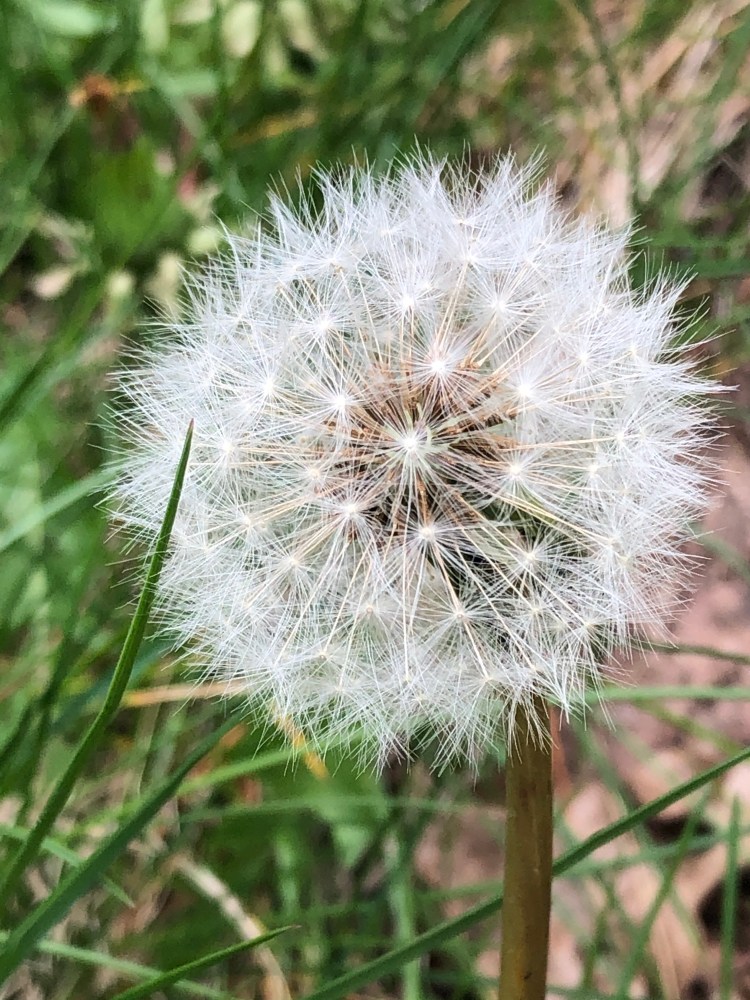
Keeping up with our losses… The powerful pull of avoidance can allow unprocessed loses to pile up. Avoidance is a useful strategy but it makes for a terrible lifestyle. In the shorter term avoidance can give us a moment to catch our breath, but if we used it over the longer-term we risk creating a back-log of unattended to sorrow. This can avalanche on us at an unexpected moment if it is not treated with care. If we can find a way to acknowledge our losses, the small and the large, we have a chance of ‘keeping up with our losses’ and being free to meet every moment of life as it arrives, including the joyful ones that coexist amongst the rest. Every loss has an arrow that points back to the gain from which it originated.
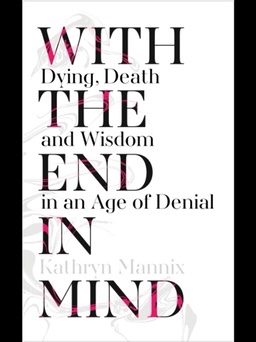
Facing our mortality with Kathryn Mannix
I think this is one of the most compassionately honest books I have ever read. It is worth making proper space for reading this book and make sure you have a box of tissues to hand.
Home
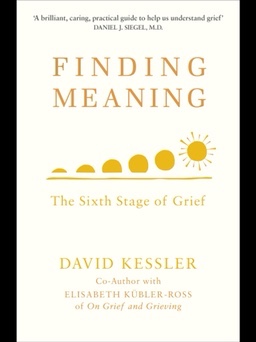
Finding meaning with David Kessler
“The idea of meaning did not take away my pain but it gave me a cushion that I had not noticed before”.
“The stages are a little scaffolding”
“There is meaning, their life mattered, their death mattered, and meaning can be how we mark it”
http://www.grief.com/sixth-stage-of-grief
As Francis Weller says, “The task of a mature human being is to hold grief in one hand and gratitude in the other and allow yourself to be stretched large by them.” Grief and gratitude are so intimately linked.
“Grief both acknowledges what has been lost and ensures that we don’t forget what must be remembered”

 Mindful Cancer Care